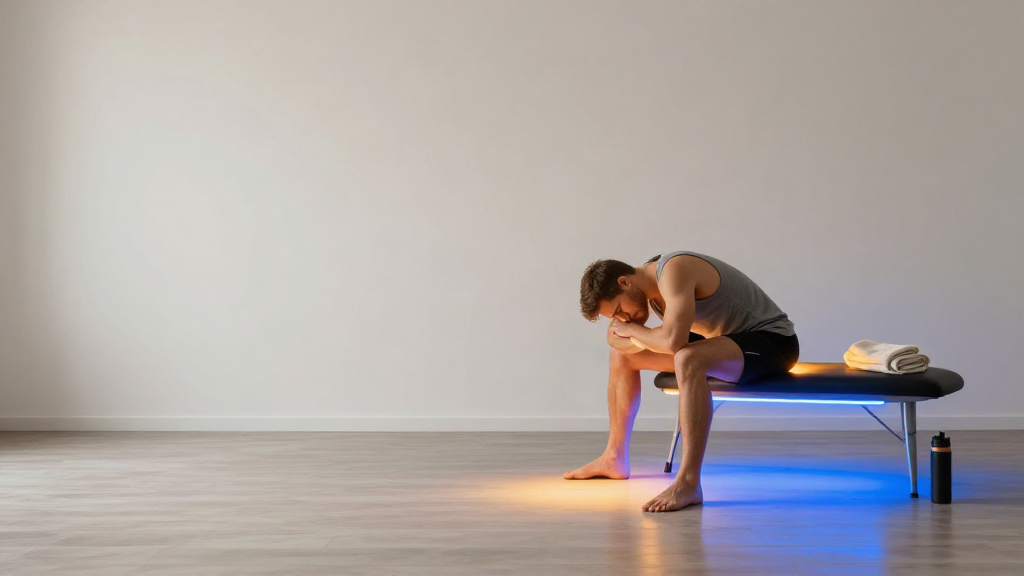
Most people who train regularly do not have a training problem. They have a recovery problem. You turn up, you push hard, you leave feeling good about yourself, and then you do the thing that quietly caps your progress: nothing. No cool down, no stretching, no thought about what happens in the 23 hours between sessions.
Recovery is not a reward for training. It is part of training. Muscle does not get stronger while you are lifting or running, it gets stronger while you are resting, and the quality of that rest decides whether your next session builds on the last one or simply repeats it. Get recovery right and you will train more consistently, feel better day to day, and actually see the progress you are working for.
Here is a practical routine you can build into a normal week, without turning your life into a wellness project.
Why recovery decides your results
Every hard session creates a small amount of stress and micro-damage in the muscle. That is entirely normal and entirely useful. The trouble starts when you stack session on session without letting the tissue repair, refuel and calm down. The result is familiar to anyone who has done it: heavy legs, soreness that never quite clears, poor sleep, a short temper, and workouts that feel harder than they should.
Two things separate people who progress steadily from people who stall. The first is consistency of training. The second is consistency of recovery. You can improve the second without spending more time in the gym, and it usually takes less time than scrolling your phone in the car park afterwards.
Step 1: Cool down before you rush off
The cool down is the most skipped and the most useful step. Give it five to ten minutes and bring your heart rate down gradually rather than slamming it down by walking straight into a cold changing room. Easy walking, light cycling or a slow lap of the studio is enough.
Use that time to notice what feels tight, sore or asymmetrical. That information is what your next step is built on.
Step 2: Use cold therapy to calm inflammation
Cold exposure is the most researched tool for post-training recovery, and for good reason. Chilling the tissue constricts blood vessels, which reduces swelling and the sensation of soreness, then allows a rush of fresh, oxygenated blood once you warm back up. That flushing effect is why so many athletes finish a hard session in the cold rather than on the sofa.
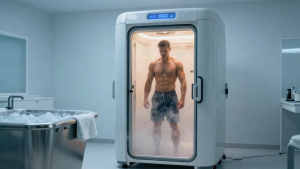
At home, that means a cold shower, an ice bath or a cold plunge if you have access to one, kept short and never uncomfortable enough to be risky. If you want something more precise, whole-body cryotherapy takes the same principle and applies it at a controlled intensity, with sessions typically lasting two to four minutes in a specialist chamber. For regular exercisers dealing with persistent soreness, advanced cryotherapy is one of the fastest recovery levers available, and it is well worth trying shop-about before you decide whether it belongs in your weekly routine.
Cold is best used after demanding sessions, not before, and it should never be a substitute for proper nutrition or sleep.
Step 3: Add heat to loosen and restore
Cold handles inflammation and soreness. Heat handles stiffness, tension and the feeling of being locked up. Heat widens blood vessels, relaxes muscle tissue and helps you unwind mentally as well as physically, which matters more than most people admit.
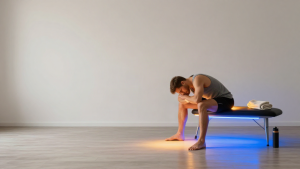
An infrared sauna does this at a gentler temperature than a traditional sauna, using infrared heat that warms the body more directly. For anyone searching for an infrared sauna in London, the appeal is usually the same: a quiet, controlled 30 to 40 minutes that leaves you looser, calmer and sleeping better that night. If you are looking for an infrared sauna London uk option close to home or work, it is worth treating it as part of your training week rather than an occasional indulgence.
The simplest rule is to alternate. Cold after the hardest sessions, heat on the days when you feel tight or stressed.
Step 4: Move gently rather than rest completely
Complete rest is rarely the answer to soreness. Gentle movement increases blood flow, reduces stiffness and helps you feel human again. Walking, easy cycling, swimming, yoga or a short mobility flow all count.
Ten minutes is enough. Move the joints that feel restricted, breathe slowly, and do not chase a sweat. The aim is circulation, not another training stimulus.
Step 5: Fuel and hydrate with intent
You cannot recover from a deficit. After training, aim for protein and carbohydrate within a couple of hours, plus water and electrolytes if you have sweated heavily. Protein gives your muscles what they need to repair, carbohydrate restores the energy you just spent.
If your goal is fat loss, this is exactly where a structured plan beats guesswork. Complete restriction after training slows recovery and makes the next session worse, which is one of the practical drawbacks of unsupervised approaches to very low carbohydrate dieting. A coached programme exists to make sure you are eating in a way that supports both fat loss and recovery.
Step 6: Protect your sleep
Sleep is the single most powerful recovery tool you have, and no supplement or gadget comes close. Seven to nine hours, a consistent bedtime, a dark cool room, and a screen-free wind-down.
If you have just done an infrared sauna or cryotherapy session in the evening, you may find it easier to fall asleep. Use that.
Step 7: Track what your body is actually telling you
Soreness and fatigue are useful signals, but they are not data. Regular blood testing gives you an objective view of the things that quietly undermine recovery: vitamin and mineral deficiencies, hormonal imbalances and other markers that can explain why you feel flat despite doing everything right. Results reviewed by a GMC-registered doctor turn vague tiredness into something you can act on.
A realistic week
A workable pattern looks like this. Hard sessions get a cool down, cold therapy and protein within a couple of hours. The day after a hard session gets gentle movement and a sauna. One or two days a week are genuinely easy. Every night gets the same sleep routine. Re-test your blood markers a few times a year rather than guessing.
That is it. Nothing exotic, nothing that takes over your life.
When to upgrade from a home routine
Home recovery gets you a long way. When soreness keeps lingering, when you are training for something specific, or when you simply want the routine to be easier to keep, a studio setting makes the difference. At Evolve Fitness Studio we combine cryotherapy, infrared sauna, blood testing and coached programmes in one place, so a recovery routine stops being a list of good intentions and becomes an appointment you keep.
The takeaway
You do not need to recover perfectly. You need to recover consistently. Cool down, use cold when you are inflamed and heat when you are tight, move gently on the days in between, eat and sleep like someone who wants results, and check your bloodwork so you are not guessing.
Book a session and build the routine around your training week. Your next session will show you it was worth it.