Why red light therapy has become the go-to glow treatment
Scroll through a skincare feed for five minutes and you will probably spot someone sitting under a panel of red light. Red light therapy has moved from the back rooms of clinics into mainstream beauty routines, and it is now one of the most requested skin treatments in UK wellness studios.
This guide is written for anyone who is curious but sceptical. We will cover what red light therapy actually is, what it can realistically do for collagen and skin tone, and how to judge whether it deserves a place in your routine.
What red light therapy really is
Red light therapy is a form of light treatment, also described as photobiomodulation or low-level light therapy. It uses red and near-infrared wavelengths to reach different depths of skin: red light works mostly on the surface layers, while near-infrared travels a little deeper into the tissue beneath.
The crucial distinction is that it is not ultraviolet light. Unlike sunbeds or UV lamps, red and near-infrared light are not designed to damage the DNA in your skin cells. There is no burning, no tanning and no downtime, which is a large part of why it has become so popular.
What happens in your skin during a session
The idea behind it is easier to grasp than the science suggests. Skin cells contain mitochondria, the small structures that supply them with energy. Red and near-infrared light are thought to stimulate those mitochondria, supporting the cell’s energy production, its repair processes and its ability to build structural proteins.
Two effects matter most for skin:
- Collagen and elastin support. Fibroblasts are the cells that manufacture collagen and elastin, the proteins that keep skin firm and springy. Light therapy is believed to encourage fibroblasts to work more efficiently.
- Blood flow and calm. Better circulation delivers oxygen and nutrients to the skin, while light therapy may help settle inflammation, which matters for redness and irritation.
That is the theory. It is worth saying plainly that this is a supportive, gradual treatment rather than a dramatic fix, and although the research is encouraging, the evidence is still developing.
What red light therapy can realistically help with
Most people come to red light therapy for one of a few goals:
- Fine lines and the early signs of ageing, where collagen support may gradually improve firmness.
- Dull or uneven tone, where better circulation can add a healthier-looking glow.
- Redness and irritation, where the calming effect of light therapy can be welcome.
- Recovery after other treatments, where some studios use it to help skin settle after facials or similar procedures.
What it will not do is replace a proper medical assessment. Deep wrinkles, significant pigmentation, persistent acne or a suspected skin condition all deserve to be looked at properly. A consultation, or a blood test, can reveal whether something else – a vitamin gap, a hormonal imbalance or another marker – is driving what you are seeing.
Who tends to see the best results
Red light therapy suits almost all skin tones and types, including sensitive skin, because it does not rely on UV. The people who get the most from it tend to be those who:
- commit to a regular schedule rather than a one-off session;
- treat it as part of a wider routine, rather than an isolated fix;
- hold realistic expectations about a gradual, cumulative effect.
If you are pregnant, take medication that increases light sensitivity, or have a diagnosed skin condition, speak to a clinician before you start.
What a session involves
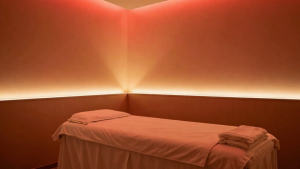
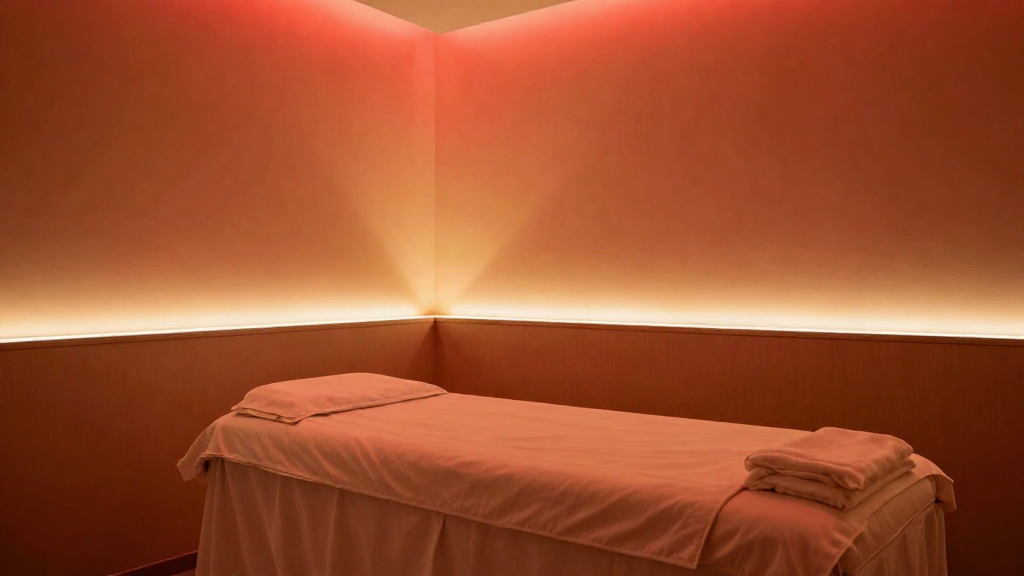
Sessions are short and comfortable. You will usually sit or lie near a light panel, sometimes wearing protective eyewear if the device is high intensity. Room treatments typically run for around 10 to 30 minutes, and you stay clothed or in a treatment gown depending on the area being treated.
There is no recovery period. You can head straight back to work or the gym, which is one reason it fits neatly around a busy week.
How to make it work harder
Light therapy works best when the rest of your routine is pulling in the same direction. A few simple habits make a real difference:
- Clean skin. Remove makeup and SPF before a session so the light reaches your skin properly.
- Be consistent. Regular sessions across several weeks matter far more than an intense burst followed by a long gap.
- Support recovery. Hydration, sleep, protein intake and a targeted treatment such as an anti-ageing IV drip or an infrared sauna session can all feed into the same skin and recovery goals.
- Protect the result. Daily SPF is non-negotiable if you want to hold on to a brighter, more even complexion.
Pairing light therapy with recovery at Evolve
At Evolve Fitness Studio, skin health and recovery sit under one roof. Our members combine light-based treatments with infrared sauna sessions, cryotherapy and IV vitamin therapy to support circulation, recovery and skin together, rather than chasing each goal in isolation.
If you are unsure what your skin actually needs, our blood testing and diagnostics service can uncover vitamin and mineral deficiencies, hormonal imbalances and other markers that shape how skin looks and behaves. Blood test packages include a review by a GMC-registered doctor, and many include a free retest after six months so you can track your progress.
Quick answers
How often should I go? Most people build results with two to four short sessions a week, then settle into a maintenance rhythm once they are happy with the change.
How soon will I notice a difference? Many people spot subtle changes in hydration and glow within a few weeks, with firmer-feeling skin building over a couple of months. Consistency is the deciding factor.
Can I do it alongside other treatments? Yes. Light therapy is often used to help skin settle after other treatments. Just tell your practitioner what else is in your routine so they can plan around it.
The bottom line
Red light therapy is a gentle, low-risk way to support collagen and give skin a healthier finish. It suits anyone who prefers gradual, natural-looking results over injectables, and it rewards patience rather than intensity.
If you would like to build it into a proper skin and recovery plan, talk to the team at Evolve Fitness Studio. We will help you combine the right treatments, nutrition support and testing so you can see clearer results, sooner.