Vitamin injections and IV vitamin drips both promise a fast nutrient top-up, but they are not interchangeable. One is a quick intramuscular shot; the other is a drip that delivers a larger blend straight into the bloodstream. If you are weighing up which one to book – or wondering whether you need either – this comparison walks through how each works, what each is best for, and how to choose with confidence.
What vitamin injections actually are
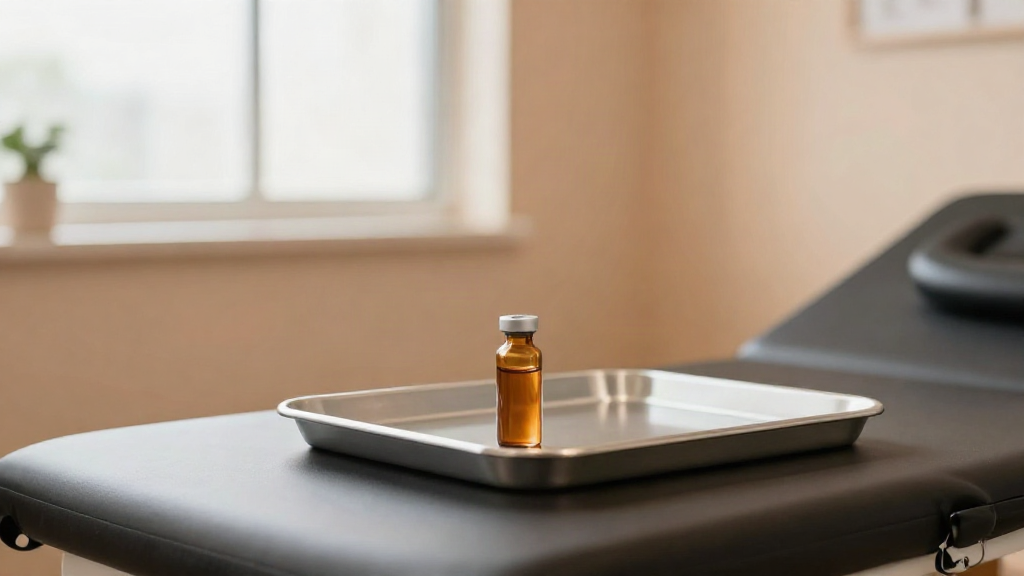
A vitamin injection is a small volume of nutrients delivered into muscle tissue, usually the upper arm or thigh, with a fine needle. Common examples include vitamin B12, vitamin D, B complex, biotin, glutathione and NAD+.
Because the nutrient goes into muscle rather than through the digestive system, it bypasses the absorption losses that often come with tablets and food. That is the appeal: a predictable delivery route and a short appointment. Most people are in and out within ten to fifteen minutes and can head back to training or work straight afterwards.
The trade-off is volume. A muscle can only comfortably accept a small amount of fluid, so injections suit a single nutrient or a compact blend rather than a broad, high-dose formula.
What IV vitamin drips are
An IV vitamin drip delivers nutrients intravenously, directly into the bloodstream through a cannula. That means everything in the formula is available to your body immediately, with no absorption step at all.
IV drips can carry far larger volumes and wider combinations than a single shot: hydration, high-dose vitamin C, magnesium, B vitamins, amino acids and antioxidants, depending on the formula. A session typically runs 30 to 60 minutes, so it is a sit-back-and-relax appointment rather than a quick stop.
That is why drips are often chosen when someone wants to correct a broader shortfall, rehydrate properly after illness or a heavy training block, or support recovery with a fuller nutrient profile.
Vitamin injections vs IV drips: the honest comparison
Speed and convenience: injections win. A shot takes minutes; a drip takes half an hour or more. If you want the fastest possible top-up, an injection is the lighter lift.
Breadth and volume of nutrients: drips win. An IV can carry a much wider formula and higher doses in one sitting.
Delivery and absorption: both bypass the gut, but only a drip delivers 100% directly into circulation. Injections are still far more bioavailable than oral supplements.
Comfort: injections involve a brief needle pinch. Drips involve placing a cannula, then you relax for the rest of the session.
Best for: injections suit a specific, targeted nutrient – a known B12 or vitamin D shortfall, a biotin or glutathione top-up, or an energy boost before a demanding week. Drips suit broader support – rehydration, immunity, recovery, anti-ageing and NAD+ protocols.
Cost per session: injections are usually the more affordable single treatment; drips cost more because of the volume, formula and chair time.
Which one fits your goal?
Match the treatment to the outcome you actually want, not to the trend.
If your goal is a single nutrient you know you are low in, or a quick energy or skin top-up, start with an injection.
If your goal is broader – feeling run down, resetting after a heavy training block, supporting immunity through a busy season, or following a longer anti-ageing or NAD+ protocol – a drip is usually the better fit.
If you train hard – long-distance running, cycling, boxing, strength work – both have a place. An injection can be a fast pre- or post-session top-up; a drip fits better into a recovery day when you can afford the time to sit and rehydrate properly.
Test before you guess
The single most useful step is not choosing a shot or a drip. It is finding out what your body actually needs.
At Evolve, blood testing is designed to uncover vitamin and mineral deficiencies, hormonal imbalances and the key health markers that may need attention. Your results are reviewed by one of our GMC-registered doctors and delivered with clear, personalised recommendations, usually within 3 to 10 working days. Many packages include a free retest after six months, so you can track whether your nutrient plan is working.
That data turns a vague “I feel tired” into a precise plan: which nutrient, which delivery route, how often, and what to recheck.
Doing it under one roof
One of the practical advantages of a studio like Evolve is that the pieces sit together. IV Vitamin Therapy and vitamin injections are available alongside a supervised weight loss programme, infrared sauna, cryotherapy and the Emsella chair – so recovery, nutrition and performance support can be planned as one routine rather than five disconnected appointments.
IV options at Evolve include Hydration, MultiVit, Immunity, Anti-Ageing, Fitness, Hair Health and NAD+ drips, each supporting hydration, recovery, energy, immunity and general wellbeing through fast nutrient delivery.
Booking and what to expect
Whether you choose an injection or a drip, expect a short consultation first so the treatment can be tailored to your goals and history. Bring details of any medication or conditions, and ask questions – a good practitioner will talk you through what each option can and cannot do.
Then match the format to your week: a quick injection on a busy day, a drip when you can give yourself an hour to recover properly.
The bottom line
Vitamin injections and IV drips are both effective ways to get nutrients in fast; they simply solve different problems. Injections are quick, targeted and affordable for a specific nutrient. Drips are broader, higher-volume and better suited to recovery, immunity and longer protocols.
If you are unsure which fits, start with a blood test, get a clear picture of your levels, and build the plan from there.