IV Vitamins vs Oral Vitamins: Why Drip Therapy Delivers More
If you already take a daily multivitamin, it is fair to ask why anyone would choose an IV drip instead. The honest answer is not that tablets are useless – it is that your digestive system gets a say in how much of that tablet actually reaches your cells. IV vitamin therapy sidesteps that step entirely.
Here is a straight comparison of how the two approaches deliver nutrients, where each one wins, and who tends to feel the difference most.
The absorption problem with oral vitamins
When you swallow a supplement, it has to survive a long journey: stomach acid, digestive enzymes, the gut lining, and then the liver – which filters and processes much of what passes through before it reaches general circulation. This is often called first-pass metabolism, and it is why the amount you swallow is not the amount you absorb.
The gap can be significant. Absorption of oral nutrients varies widely depending on the vitamin, the dose, the form it is taken in, whether you took it with food, and your own gut health. Some nutrients are absorbed reasonably well; others, such as vitamin C in high doses, are actively limited by the gut – your body simply stops taking more in once transport pathways are saturated, and the excess is excreted.
There is also the tolerance factor. Large oral doses of certain vitamins and minerals are well known for causing nausea, cramping and loose stools, which caps how much you can realistically take before your stomach objects.
How IV vitamin therapy works
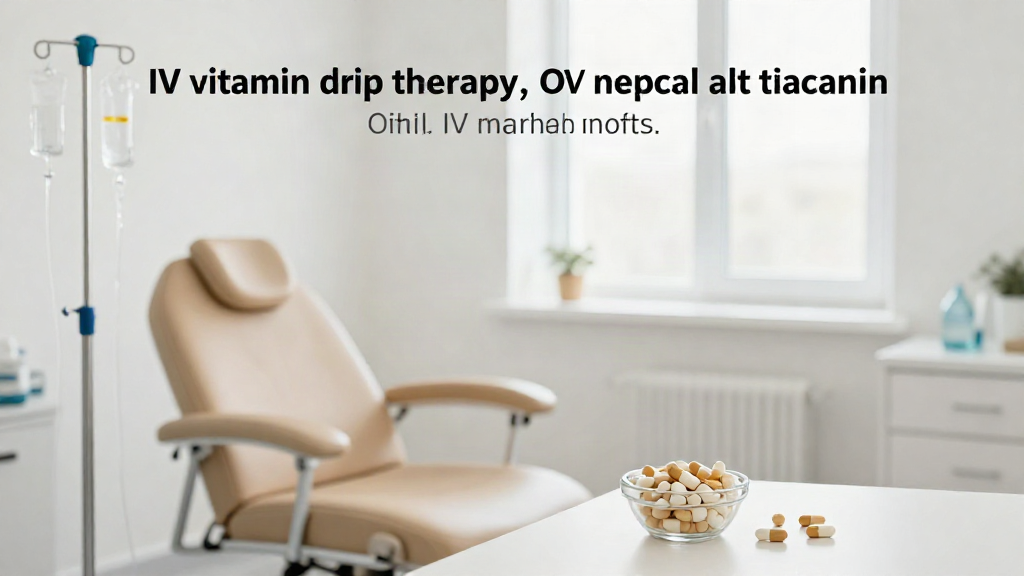
An intravenous drip delivers vitamins and minerals directly into the bloodstream, where they are immediately available to your tissues. Nothing is lost to digestion, and nothing is filtered out by the liver before it circulates.
At Evolve Fitness Studio, IV drip therapy is administered in-studio, with the drip running over a period of roughly 30 to 60 minutes. The menu covers a range of goals: Hydration, MultiVit, Immunity, Anti-Ageing, Fitness, Hair Health and NAD+ drips. Because the nutrients bypass the gut, higher concentrations can be delivered comfortably than would typically be tolerated orally.
IV vitamins vs oral vitamins: the head-to-head
Bioavailability. IV delivery achieves essentially complete bioavailability – the full dose enters circulation, rather than the fraction that survives digestion. Oral supplements, by contrast, deliver a variable and often smaller fraction of the labelled dose.
Speed of effect. An oral vitamin works on the timescale of digestion: it can be an hour or more before levels rise meaningfully, and much of the dose has already been lost. An IV drip delivers nutrients straight into the bloodstream as it runs, which is why it is often chosen when someone wants to feel a difference quickly – after illness, before a demanding training block, or when energy and hydration have dipped.
Dosage control. With an IV, the exact amount delivered is known and controlled. With tablets, you know what is in the capsule but not precisely how much your body will take up – it varies person to person and day to day.
Digestive tolerance. Because it bypasses the gut, IV therapy avoids the nausea, cramping and stomach upset that often limit high-dose oral vitamins. That matters for anyone whose gut is sensitive, or who is managing a condition that affects nutrient absorption.
Consistency. A drip is a scheduled, supervised session – there is no forgetting it on the kitchen counter. For people who struggle to keep up a daily supplement routine, that reliability is part of the appeal.
The honest limits
IV therapy is not a magic fix, and it is not a replacement for a decent diet. It does not correct a poor eating pattern on its own, and it is not appropriate for everyone – certain kidney, heart and metabolic conditions require medical caution, and some nutrients interact with prescription medications.
That is precisely why supervision matters. At Evolve, blood testing is available to uncover vitamin and mineral deficiencies, hormonal imbalances and other markers before treatment, with results reviewed by a GMC-registered doctor. Testing first means the drip is aimed at a real gap rather than a guess.
Who tends to benefit most
IV vitamin therapy is not one-size-fits-all, but certain groups seem to feel the difference most clearly:
- Runners and athletes – long-distance runners, cyclists and people training hard multiple times a week place high demands on hydration and nutrient turnover, particularly during heavy blocks or after illness.
- Post-partum mothers – pregnancy and the months that follow draw heavily on a woman’s nutrient stores, at a time when eating and sleeping well is genuinely difficult.
- Busy working professionals – people juggling long hours often want a targeted, scheduled session rather than another daily habit to remember.
- Anyone recovering from illness or a demanding season – when energy, immunity and recovery are the priority, a drip can support the body while it catches up.
- People with gut issues – where absorption is compromised or high-dose oral vitamins cause discomfort, bypassing digestion has an obvious advantage.
Where the two actually overlap
For many people, oral vitamins and IV therapy are complementary, not rivals. A well-chosen daily supplement supports general baseline nutrition. A drip is a targeted, higher-concentration intervention used when a specific gap needs closing, or when you want the effects of a large dose without the digestive cost.
If your levels are fine and you eat well, an occasional drip may add little. If your blood markers show a deficiency, or you are training hard, recovering or simply running low, the route of delivery starts to matter a great deal.
How to decide
Start with what you are trying to achieve and, ideally, with data. A vitamin and mineral blood test tells you what is actually low, and a supervised drip delivers what you need in a form your body can use immediately.
IV vitamin therapy is at its best when it is targeted, supervised and part of a broader approach to recovery, fitness and wellbeing – not a shortcut around the basics.
The takeaway
Oral vitamins are convenient and useful for everyday baseline nutrition, but they hand your gut and liver the final say over how much you absorb. IV drip therapy removes that variable, delivering nutrients directly into the bloodstream at known doses, quickly, and without the stomach upset that limits high-dose tablets.
If you want to know whether a drip is right for you, the smartest first step is to find out what your body is actually short of. Book a blood test or speak to the Evolve team about which IV drip fits your goals – from Hydration and MultiVit through to Fitness, Immunity and NAD+.